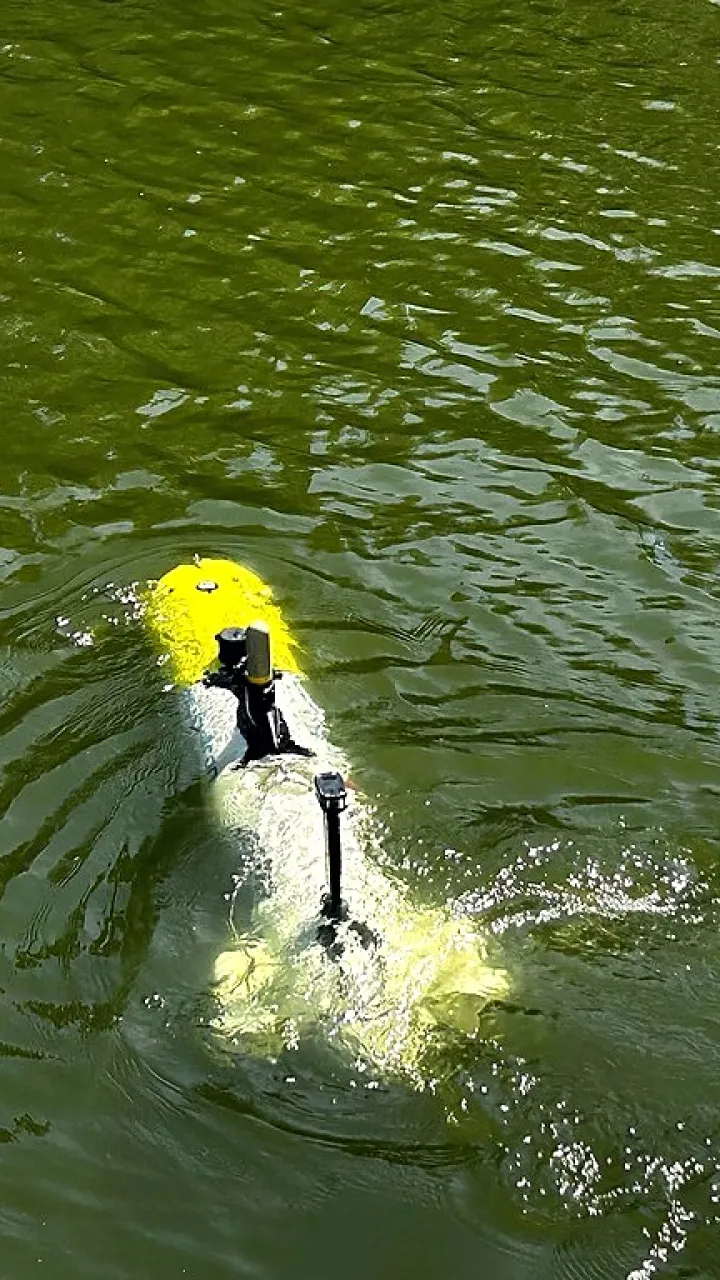
Critical Subsea Infrastructure Monitoring: Closing Europe’s Underwater Blind Spot
Around 99% of intercontinental data traffic runs through subsea cables, and much of Europe’s energy arrives through pipelines and offshore installations, yet less than 1% of this infrastructure is monitored on a regular basis. For decades that gap was an accepted inconvenience. A pattern of incidents in the Baltic Sea has turned it into a security question.
From inconvenience to vulnerability
Damaged cables and pipelines are discovered the same way they were fifty years ago: after the fact, when service degrades or fails. Whether the cause is an anchor strike, natural degradation, or deliberate interference, the pattern is the same, nobody was looking. Conventional inspection can’t close this gap: divers and tethered ROVs are slow, expensive, weather-bound, and produce partial snapshots rather than a comparable record.
What persistent autonomous monitoring changes
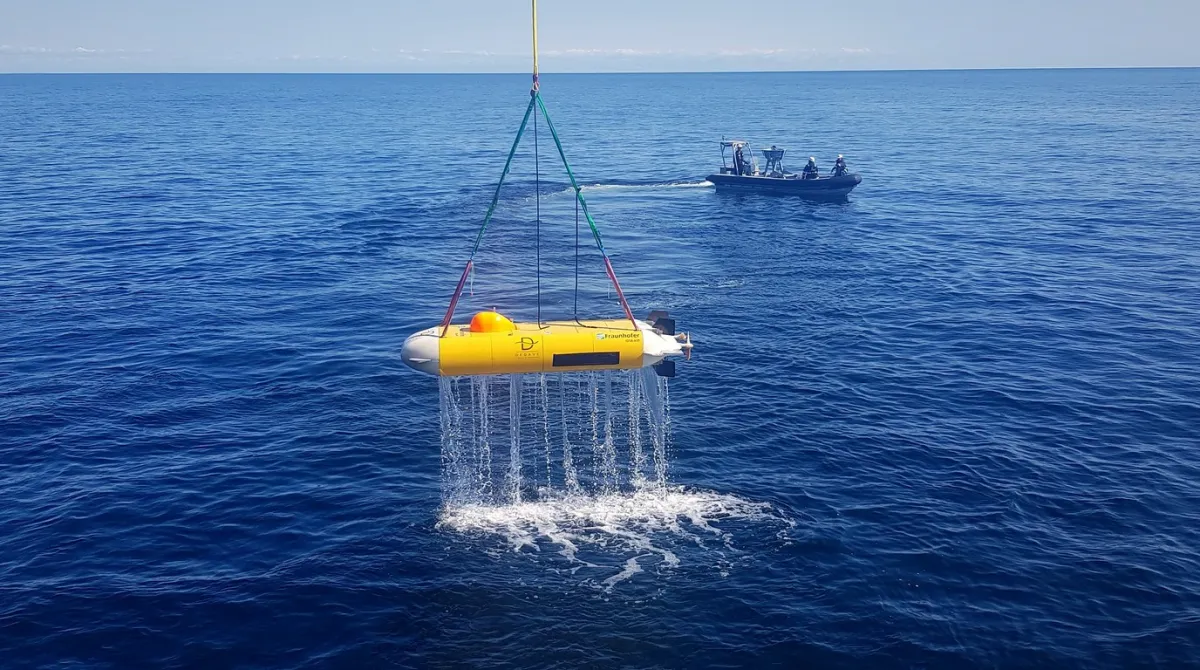
Autonomous vehicles guided by RON, Relative Object Navigation, follow the infrastructure itself, at zero visibility, without pre-mapping or external positioning. Each survey produces a complete, cm-accurate 3D dataset that is directly comparable to the last one: exposure, free-spanning, and third-party interference stand out as changes, not judgment calls. Our cable-route inspection case study shows the approach in practice.
Just as important as the data is who controls it. subdron systems are built and operated in Europe, mission data stays on sovereign infrastructure, under the operator’s control, with no third-country dependency.
Where subdron stands
subdron sponsors REPMUS 2026, NATO’s and partner nations’ largest maritime unmanned-systems exercise, and maintains an active exchange with the Deutsche Marine, both signs that autonomous subsea systems are moving from research into operational relevance. Dated announcements on both engagements will follow here as details are finalized.
For operators of cables, pipelines, and offshore installations, the practical starting point is a baseline survey: one repeatable, comparable dataset of the asset as it is today, so that from now on, change is something you detect, not something you discover.